
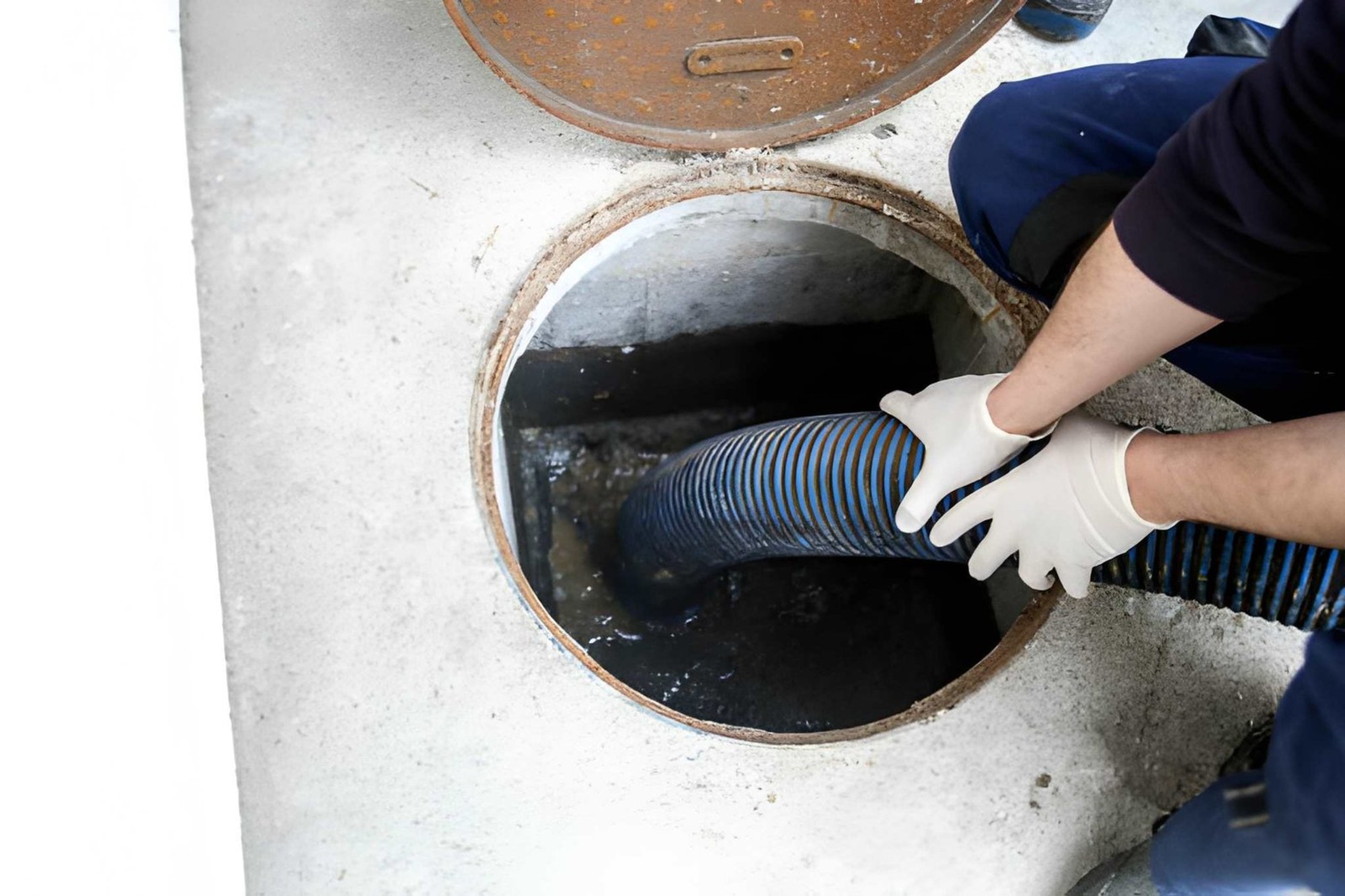
Most homeowners don’t think about their septic system until something goes wrong. By that point, the damage is often already done and the repair costs are significantly higher than they would have been with early intervention.
The five most common warning signs of a failing septic system are slow drains, foul odors, pooling water near the drain field, gurgling sounds from plumbing fixtures, and sewage backups inside the home. Recognizing these signs early can be the difference between a routine pump-out and a full system replacement.
Key Takeaways
- Septic systems show clear physical and sensory warning signs before a full failure occurs
- Acting on early warning signs quickly reduces the risk of major damage and lowers repair costs
- Knowing the right steps to take when a problem appears helps you get the correct professional help faster
Critical Indicators of Septic System Failure
Foul smells near the tank or drain field, slow-draining fixtures throughout the home, and waterlogged soil above the leach field are the most reliable physical signs that a septic system is in distress or failing.
Unusual Odors Near Drain Field or Tank
Hydrogen sulfide gas — the compound responsible for the “rotten egg” smell — is produced when organic waste breaks down without sufficient oxygen. When a septic system is functioning correctly, this gas stays contained within the tank. If it’s escaping to the surface, something is wrong.
Where to check for odors:
- Around the tank lid and access risers
- Over the drain field or leach lines
- Near floor drains, toilets, or sinks inside the home
Odors inside the house, particularly near plumbing fixtures, can indicate a full tank or a blocked vent pipe. Outdoor odors concentrated above the drain field typically suggest the soil is no longer absorbing and filtering effluent properly.
Don’t dismiss occasional smells as normal. Persistent odor is a measurable signal, not a minor nuisance.
Slow Drains and Persistent Backups
A single slow drain usually points to a localized clog. When multiple fixtures — toilets, sinks, showers — drain slowly at the same time, the problem is likely downstream in the septic system itself.
Common patterns to watch for:
- Toilets that gurgle after flushing
- Water backing up into the bathtub when the toilet is flushed
- Sinks that drain slowly even after snaking
These symptoms indicate the tank may be full, the inlet baffle may be damaged, or solids may have migrated into the drain field. Acting quickly matters — continued use of the system under these conditions accelerates damage to the leach field, which is significantly more expensive to repair or replace than the tank alone.
Standing Water or Oversaturated Soil
Saturated or spongy ground directly above the drain field is one of the clearest signs of system failure. It means effluent is surfacing rather than being absorbed into the soil.
This happens when the drain field becomes biomat-clogged — a layer of organic material builds up and blocks water movement through the soil. It can also result from hydraulic overload, where too much water enters the system faster than the soil can process it.
Signs of drain field saturation:
- Unusually green or lush grass over the leach field
- Visible pooling of water that doesn’t dry after rain
- Soft or muddy ground in dry weather
Surfacing effluent is a public health concern. It contains pathogens and should be treated as an urgent repair situation, not a deferred maintenance issue.
Essential Steps to Take When You Notice Warning Signs
Acting quickly when warning signs appear can prevent sewage backups, property damage, and costly repairs. Knowing who to call and how to limit damage in the meantime are the two most important actions you can take.
Contacting Qualified Septic Professionals
Call a licensed septic contractor as soon as you notice any warning signs — do not wait to see if the problem resolves on its own.
When you call, be ready to provide:
- The specific symptoms (odors, slow drains, wet spots, backups)
- How long the problem has been present
- Your tank’s last pumping date, if known
- Tank size and location, if available
A qualified professional will inspect the tank, measure waste levels, check the drain field, and identify any mechanical or structural failures. Septic pumping typically costs between $250 and $600, while repairs or drain field work can run significantly higher if issues are left unaddressed.
Look for contractors who are licensed, insured, and experienced with both pumping and full system repairs.
Preventing Further Property Damage
While waiting for a professional, take steps to reduce strain on the system immediately.
Stop or minimize water use in the home. Every gallon of water flushed or drained goes directly into an already stressed system.
- Avoid running the dishwasher, washing machine, or any appliances that discharge water
- Do not flush anything other than toilet paper
- Keep people and pets away from any saturated areas in the yard, as standing sewage is a health hazard
Rope off or mark any wet spots near the drain field to prevent foot traffic from compacting the soil and worsening drainage failure.