
Septic System Installation & Service | Western Septic & Excavation
- Western Septic & Excavation
- Buhl, ID
- Phone: 208.735.5346
- westernseptic.com
Complete Septic System Services for Southern Idaho =
A septic system is not a luxury — it is essential infrastructure. For homes and businesses that are not connected to a municipal sewer system, the septic system is the entire waste management solution for the property. When it works, it is invisible. When it fails, it is an immediate emergency that affects everything from daily sanitation to property value to public health.
Western Septic & Excavation provides complete septic system services, including design, installation, repair, replacement, maintenance, emergency response, and professional excavation services. Our team has the equipment and experience needed to handle everything from septic system projects to the careful excavation work required for underground utilities, repairs, and property improvements.
We have been building and servicing septic systems across Southern Idaho since 2010. We understand the soil conditions, regulatory requirements, and property types of the Magic Valley in a way that out-of-area contractors simply do not.
We are a family-owned business. When you call us, you are working with people who take ownership of the quality of their work because our reputation in this community depends on it.
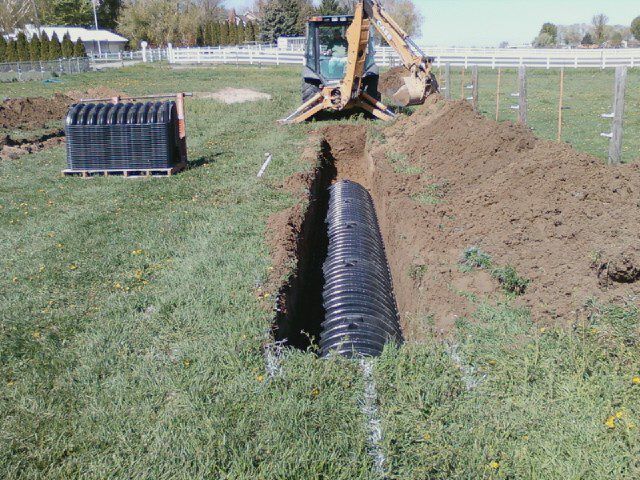
Septic System Services We Provide
- New septic system installation for residential and commercial properties
- Septic system replacement when existing systems reach end of life or fail
- Drain field installation, repair, and restoration
- Septic tank replacement and upgrade
- System inspections and condition assessments
- Routine pumping and maintenance programs
- Emergency septic repairs for failing or backed-up systems
- Permit coordination and county compliance management
- Water line installation and repair as part of complete property systems
How a Septic System Works
Understanding how your system works helps you maintain it properly and recognize problems early. Here is the basic process:
All wastewater from your home — from toilets, sinks, showers, dishwashers, and laundry — flows through your main sewer line to the septic tank buried in your yard. Inside the tank, the waste separates into three layers: a top layer of floating scum made of fats and oils, a bottom layer of settled solid sludge, and a middle liquid layer called effluent.
The effluent flows out of the tank through the outlet baffle into the drain field, also called the leach field. In the drain field, the effluent is distributed through perforated pipes into gravel trenches and then into the soil, where it is filtered and treated by naturally occurring bacteria before reaching groundwater.
The solids and scum remain in the tank. This is what accumulates and must be pumped out periodically. The drain field itself handles only liquid — if solids reach it, it fails.
Designing the Right System for Your Property
There is no single standard septic system design. The right system for your property depends on multiple factors:
- Soil percolation rate — how quickly your soil absorbs and filters liquid determines drain field sizing and type
- Lot size and setback requirements — systems must be placed specific distances from wells, property lines, structures, and water features
- Household or business size — the system must be sized to handle your peak daily waste volume
- Local county health department requirements — Southern Idaho counties have specific regulations that govern system design and installation
- Water table depth — high water tables limit the types of systems that can be used and may require elevated or mound designs
We assess all of these factors before recommending a system design. We do not offer a generic solution and we do not install systems that are not appropriate for the conditions. Getting the design right is the foundation of a system that will serve your property reliably for 25 to 40 years.

Signs Your Septic System Needs Attention
Catch problems early and the repair is manageable. Ignore them and a small issue becomes a system failure. Watch for these warning signs:
- Slow drains in multiple fixtures throughout the house
- Gurgling sounds from toilets and drains
- Sewage odors inside the home or outside near the tank or drain field
- Unusually lush, green, or wet patches of grass over the drain field area — this can indicate the field is saturated with effluent
- Sewage backing up into toilets, sinks, or floor drains
- Pooling water or muddy ground near the tank or drain field
- Your system is more than 20 years old and has never been fully assessed
The Cost of Neglect vs. the Cost of Maintenance
A routine pumping service costs a few hundred dollars. A drain field inspection costs a fraction of a repair. Addressing a minor pipe crack before it becomes a collapse is straightforward and affordable. By contrast, drain field replacement costs $10,000 to $30,000 or more. Complete system failure requiring emergency excavation and replacement adds tens of thousands in unplanned expense.
The math is simple. Routine maintenance is an investment that protects you from catastrophic costs. We recommend a regular maintenance program for every property we service — not because it generates business for us, but because it genuinely protects our customers.
Concerned about your existing system or planning a new installation? Call Western Septic & Excavation at 208.735.5346.
Frequently Asked Questions — Septic Systems
A: A well-designed, properly installed system that receives regular maintenance can last 25 to 40 years. The tank itself often outlasts the drain field, which may need attention in 20 to 30 years depending on usage and soil conditions. Neglect shortens these timelines significantly.
A: Understanding what to know before installing a septic tank starts with knowing that costs can vary significantly based on your property and system requirements. Pricing depends on factors such as the type of septic system, lot conditions, drain field size, soil conditions, and local permitting requirements.
Standard septic systems are typically less expensive than alternative or mound systems, which may be required for certain properties with challenging site conditions. We provide specific estimates after evaluating your property because every installation is different — we do not provide blind quotes without understanding what your home or business actually requires.
A: The drain field is the network of underground pipes that distribute treated liquid waste from the septic tank into the soil. Signs of failure include soggy ground over the field, sewage odors outside, slow drains, and sewage backups inside. A failing drain field requires professional assessment immediately.
A: Not legally in Idaho. Septic systems must be installed by licensed contractors and approved by county health authorities. An unpermitted or improperly installed system creates health risks, environmental violations, and legal liability. It will also be a problem when you try to sell the property.
A: Pump regularly on schedule. Do not flush anything non-biodegradable. Limit the use of garbage disposals, which add solids to the tank faster. Avoid planting trees or shrubs near the drain field. Never park vehicles or build structures over the tank or field. Conserve water to avoid overloading the system.
A: Yes. We install and service conventional gravity systems, mound systems, pressure-dosed systems, and alternative designs required for properties with challenging soil or site conditions.
A: We respond as quickly as possible, assess the situation, and prioritize stopping any active backup or overflow. Depending on what we find, we may pump the tank immediately, clear a blockage, make emergency repairs, or a combination of these. We tell you exactly what is happening and what it will take to resolve it.
A: We respond as quickly as possible, assess the situation, and prioritize stopping any active backup or overflow. Depending on what we find, we may pump the tank immediately, clear a blockage, make emergency repairs, or a combination of these. We tell you exactly what is happening and what it will take to resolve it.
A: Yes. We provide septic system inspections for real estate transactions, including a thorough assessment of tank condition, system components, and overall function. Our inspection reports give buyers and sellers accurate information about the condition of the system.
CITIES WE SERVE
- Gooding
- Hagerman
- Shoshone
- Burley
- Rupert
and everything in between!