
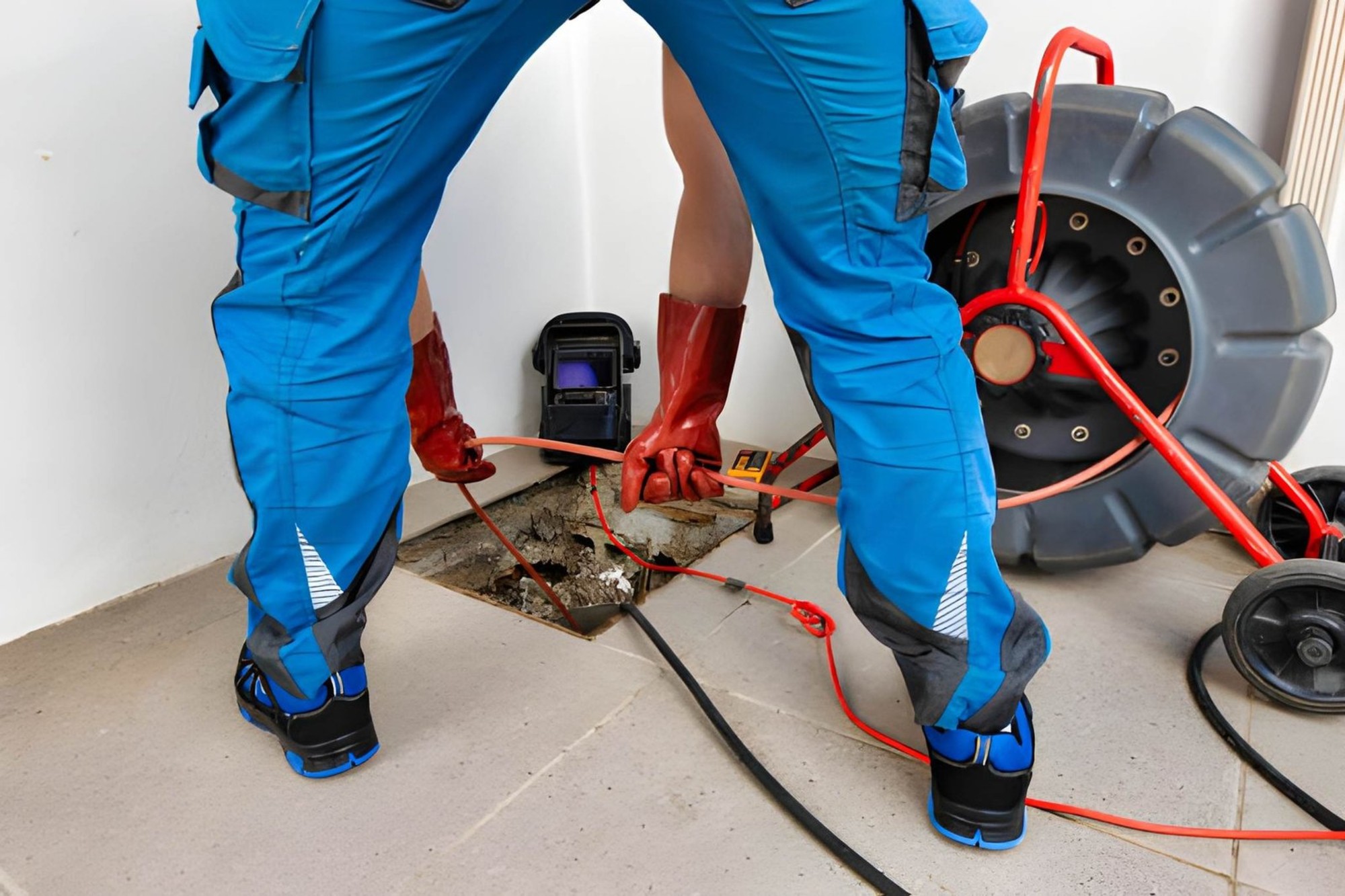
Yes, plumbers use cameras, and it has changed how plumbing problems are diagnosed. A sewer camera inspection allows technicians to see inside pipes and identify issues like blockages, cracks, root intrusion, and pipe deterioration without digging or guesswork.
Traditional plumbing repairs often required tearing into walls or excavating yards just to locate a problem. Camera inspections remove that uncertainty by sending a small, waterproof camera through the pipe to transmit real-time video footage.
Western Septic and Excavation uses this technology to give homeowners and business owners in Buhl, ID a clear picture of what’s happening inside their sewer and septic systems before small issues turn into costly repairs.
Key Takeaways
- Plumbers use cameras to inspect pipes and accurately identify hidden problems without unnecessary digging.
- Video camera technology gives technicians a real-time view inside sewer lines, improving diagnostic accuracy.
- Western Septic and Excavation offers professional camera inspection services to help property owners stay ahead of septic and sewer issues.
Modern Plumbing Diagnostics and Video Camera Technology
Video camera technology has replaced much of the guesswork in plumbing diagnostics, giving plumbers accurate, real-time visual data without unnecessary digging or demolition.
How Video Inspections Work
A plumber feeds a flexible cable with a waterproof camera attached to the tip directly into a pipe or drain. The camera transmits live footage to a monitor, showing the interior of the pipe in real time.
The plumber can see the exact condition of the pipe walls, identify blockages, and locate damage. Most systems also use a radio transmitter to pinpoint the camera’s underground location so the plumber knows precisely where a problem is without excavating.
Footage is typically recorded for documentation, which helps with quoting repairs and showing the homeowner exactly what was found.
Types of Plumbing Cameras Used
Different pipe sizes and job types require different camera equipment.
|
Camera Type |
Best Used For |
|
Push cameras |
Straight or slightly curved residential pipes |
|
Pan-and-tilt cameras |
Inspecting pipe joints and lateral connections |
|
Crawler cameras |
Large-diameter sewer mains and commercial lines |
|
Drain snake cameras |
Narrow drain lines under sinks or in walls |
Push cameras are the most common for standard residential jobs. Crawler cameras are self-propelled and used in large municipal or commercial pipes. Most modern systems record in high-definition, which makes identifying cracks, root intrusion, and corrosion much more reliable.
Benefits of Camera-Assisted Diagnostics
The most direct benefit is accuracy. A plumber can confirm the exact location and nature of a problem before any repair work begins, which prevents unnecessary digging.
Camera inspections also save money. Repairs can be scoped and quoted precisely because the plumber knows what they’re dealing with ahead of time. This avoids surprises mid-job.
Other practical benefits include:
- Faster diagnosis compared to manual probing or guesswork
- Documentation of pipe condition for insurance or real estate purposes
- Verification that a repair or cleaning was done correctly
- Early detection of slow-developing issues like hairline cracks or minor root intrusion
Western Septic and Excavation’s Approach to Camera Inspections
Western Septic and Excavation has been serving Southern Idaho’s Magic Valley region since 2010, building a reputation for accurate diagnostics and reliable sewer and septic services. Camera inspections are a core part of how they identify problems and communicate findings to customers.
Situations Where Cameras Are Essential
Not every plumbing issue requires a camera, but several situations make them the most practical tool available.
- Slow or recurring drains that don’t respond to standard snaking
- Unexplained sewage odors inside or outside the property
- Pre-purchase home inspections where the sewer line history is unknown
- Root intrusion concerns in older properties with mature trees nearby
- After hydro jetting to confirm the line is fully clear
Western Septic and Excavation uses cameras in these scenarios to avoid unnecessary digging and to get a confirmed visual before recommending repairs. This prevents guesswork and keeps costs accurate from the start.
Training and Expertise of Technicians
Operating a sewer camera isn’t simply inserting a cable and watching a screen. Technicians need to interpret what they see — identifying pipe corrosion, offset joints, root intrusion, grease buildup, and cracking — and distinguish minor wear from a condition that requires immediate repair.
Western Septic and Excavation’s team brings over 13 years of hands-on experience with sewer and septic systems in Idaho. That field experience means technicians recognize region-specific issues, such as soil conditions in the Magic Valley area that can affect pipe integrity over time.
The 512 Hz locating capability on modern inspection cameras also allows technicians to pinpoint the exact underground location of a problem, so any required excavation is targeted rather than exploratory.
Customer Benefits and Service Transparency
One practical advantage of camera inspections is that customers can see the condition of their pipes directly. Western Septic and Excavation provides video documentation of findings, giving customers a clear record rather than a verbal summary alone.
This matters for a few reasons:
- Customers can make informed decisions about repairs without pressure
- Documentation supports insurance claims or real estate transactions
- It creates accountability — the findings are on record
Pricing is also more accurate when a camera confirms the exact problem before work begins. There’s less risk of unexpected costs mid-job.