
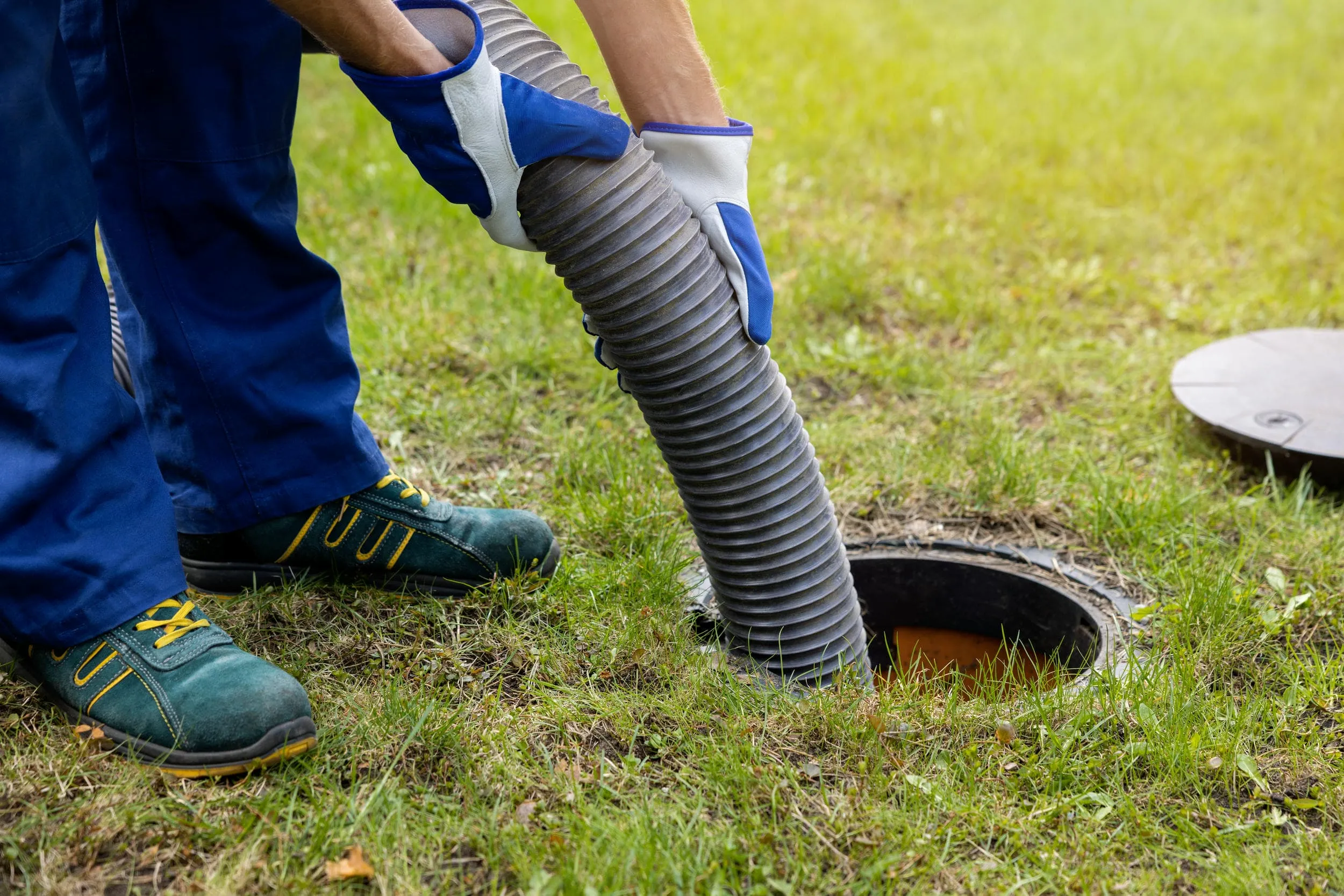
If you have a septic system, pumping is one of the most important maintenance tasks you can do to avoid backups, odors, and costly repairs. Most residential septic tanks should be pumped every three to five years, though the right schedule depends on your household size, tank capacity, and water usage. Skipping regular pumping allows sludge and scum to build up until solids overflow into the drainfield, which can cause permanent damage.
Several factors influence how often your tank actually needs service, and a one-size-fits-all answer does not apply to every home. Understanding what drives your pumping schedule helps you stay ahead of problems before they become expensive.
At Western Septic and Excavation, we work with homeowners every day to find the right maintenance plan for their system. This article covers the key factors that affect pumping frequency and what professionals recommend to keep your septic system running properly.
Key Takeaways
- Pumping frequency depends on household size, tank size, and how much wastewater your home generates
- Knowing the specific factors that affect your system helps you set a more accurate and reliable pumping schedule
- Following professional guidelines and staying consistent with maintenance protects your system from serious and costly failures
Understanding Factors That Influence Pumping Frequency
Tank size, household size, water usage, and what goes down your drains all directly affect how quickly your septic tank fills up and how often it needs to be pumped.
Household Size and Water Usage
The more people living in a home, the more wastewater is produced daily. A single-person household generates far less volume than a family of five, which means the tank fills at a significantly different rate.
High water usage habits also accelerate the buildup of solids. Long showers, frequent laundry loads, and running the dishwasher daily all push more liquid through the system faster.
As a general reference:
|
Household Size |
Recommended Pumping Frequency |
|
1–2 people |
Every 5 years |
|
3–4 people |
Every 3–4 years |
|
5+ people |
Every 1–3 years |
These ranges assume average water use and a standard tank size.
Septic Tank Size and Design
A larger tank holds more waste before it reaches capacity, which extends the time between pumpings. Most residential tanks range from 750 to 1,500 gallons, and the gap in pumping intervals between those two sizes is significant.
Older or single-compartment tanks may also accumulate solids more quickly than modern two-compartment designs. Two-compartment tanks allow solids to settle more effectively before effluent exits, which reduces strain on the drain field and can slow the rate of buildup.
If you don’t know your tank’s size or design, a licensed technician can inspect and identify it during your next service visit.
Impact of Waste Type and Disposal Habits
What goes into your septic system matters as much as how much. Flushing non-biodegradable items like wipes, paper towels, or feminine hygiene products adds solid volume that bacteria cannot break down.
Garbage disposals increase the amount of food solids entering the tank, which can noticeably shorten pumping intervals. Using a garbage disposal regularly can increase solid accumulation by up to 50% compared to households that don’t use one.
Harsh chemical cleaners and antibacterial products kill the beneficial bacteria inside the tank. Without those bacteria, solids break down more slowly, causing the tank to fill faster.
Professional Recommendations and Best Practices
Most septic systems fail prematurely due to neglect rather than age. Following established pumping intervals, recognizing early warning signs, and working with a qualified provider like Western Septic and Excavation keeps your system running reliably.
Industry Guidelines for Pumping Intervals
The EPA recommends inspecting household septic systems at least every three years and pumping every three to five years. However, the right interval for your system depends on specific variables.
|
Household Size |
Tank Size (Gallons) |
Recommended Pumping Interval |
|
1–2 people |
750–1,000 |
Every 4–5 years |
|
3–4 people |
1,000–1,500 |
Every 3–4 years |
|
5–6 people |
1,500–2,000 |
Every 2–3 years |
|
7+ people |
2,000+ |
Every 1–2 years |
Alternative systems with mechanical components, float switches, or pumps require annual inspections. Higher water usage, garbage disposals, and frequent guests can shorten your pumping interval regardless of tank size.
Signs Your Septic Tank Needs Attention
Do not wait for your scheduled interval if your system is showing symptoms. These are the most reliable indicators that pumping is overdue:
- Slow drains throughout the house, not isolated to one fixture
- Gurgling sounds from toilets or drains after flushing
- Sewage odors inside or near the drain field outdoors
- Standing water or unusually green grass over the drain field area
- Sewage backup into sinks, tubs, or toilets
Any one of these signs warrants a prompt call to a septic professional. Ignoring them increases the risk of drain field damage, which is significantly more expensive to repair than a standard pump-out.
Benefits of Routine Pumping by Western Septic and Excavation
Scheduling regular pumping with Western Septic and Excavation means your tank is serviced by technicians who document sludge levels, inspect baffles, and flag early problems before they escalate.
Routine service protects your drain field. When a tank goes too long without pumping, solids overflow into the field and can permanently damage the soil’s ability to treat wastewater.
A consistent service record also adds value if you sell your property. Buyers and inspectors look favorably on documented, well-maintained septic systems.