
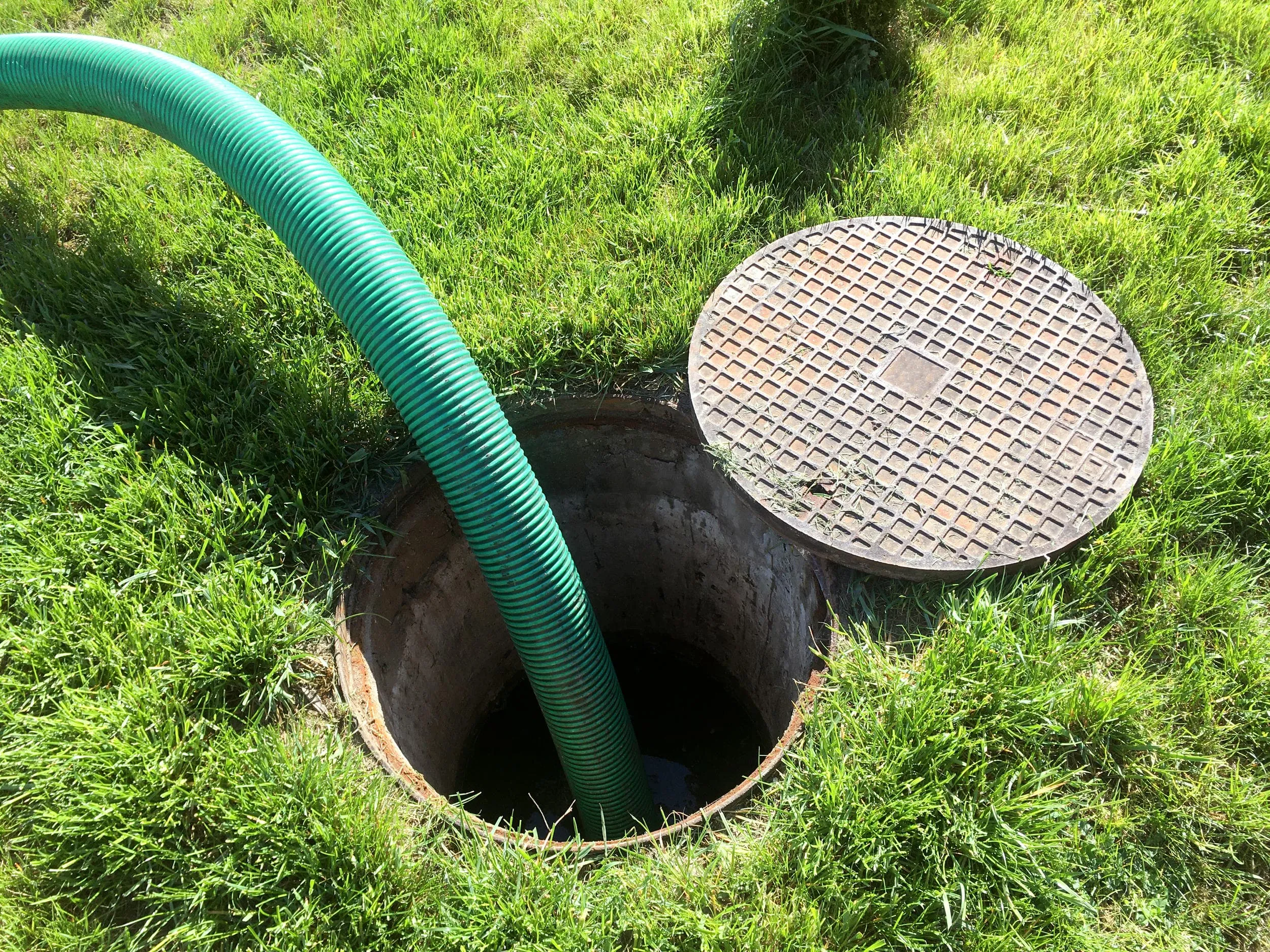
A septic system is a long-term investment that can cost $10,000 to $30,000 or more to replace if it fails. Most homeowners don’t think about their septic system until something goes wrong, but consistent care is what prevents those costly problems.
Keeping your septic system healthy comes down to routine pumping every 3 to 5 years, being careful about what goes down your drains, and scheduling regular professional inspections. Western Septic and Excavation works with property owners across the area to help maintain systems before small issues turn into major repairs.
This article covers the practical habits and professional services that keep a septic system functioning properly for decades.
Key Takeaways
- Simple daily habits like controlling water use and avoiding flushing non-biodegradable items go a long way in protecting your system.
- Routine pumping and inspections are the most effective ways to extend the life of your septic system.
- Working with a qualified septic professional ensures problems are caught early and handled correctly.
Essential Practices for Septic Maintenance
Keeping your septic system healthy comes down to three core habits: managing water use, disposing of waste correctly, and scheduling regular inspections.
Water Usage Habits
Overloading your septic system with water is one of the most common causes of drainfield failure. The tank needs time to separate solids from liquids, and too much water too fast pushes untreated waste into the drainfield.
Practical steps to reduce hydraulic overload:
- Spread laundry loads throughout the week rather than doing multiple back-to-back loads in one day
- Fix leaking toilets and faucets promptly — a running toilet can waste 200+ gallons per day
- Install low-flow fixtures to reduce daily water volume entering the system
- Avoid running the dishwasher and washing machine at the same time
Directing roof drains, sump pumps, or surface runoff toward the drainfield area also adds excess water and should be avoided.
Safe Waste Disposal Guidelines
What goes down your drains directly affects the bacterial balance inside your septic tank. The bacteria in the tank break down solids, and certain products kill those bacteria or clog the system.
Do not flush or drain the following:
|
Item |
Reason to Avoid |
|
Wipes (even “flushable”) |
Do not break down, cause clogs |
|
Medications |
Kill beneficial bacteria |
|
Grease or cooking oil |
Coats pipes, disrupts tank layers |
|
Harsh chemical cleaners |
Kill bacteria needed for breakdown |
|
Paper towels, feminine products |
Do not dissolve, accumulate as solids |
Stick to toilet paper that is labeled septic-safe. Use household cleaners in moderate amounts — small quantities of standard cleaners are generally tolerable, but avoid frequent heavy use of bleach or antibacterial products.
Septic System Inspections
The EPA recommends having a septic system professionally inspected at least every three years. Most tanks need pumping every three to five years, depending on household size and tank capacity.
During an inspection, a technician will:
- Check the tank for cracks or leaks
- Measure scum and sludge layers
- Assess the condition of the drainfield
- Inspect inlet and outlet baffles
Keep written records of every inspection, pumping, and repair. This documentation helps technicians identify patterns over time and is useful if you sell the property.
Professional Support and Service Solutions
Knowing when to call a professional, choosing the right technician, and planning ahead are the most effective ways to protect your septic system from expensive failures.
Signs You Need Septic Pumping
Some warning signs are easy to spot. Others develop gradually and get missed until the damage is done.
Watch for these indicators:
- Slow drains throughout multiple fixtures at once
- Gurgling sounds from toilets or drains
- Standing water or wet spots near the drain field
- Sewage odors inside or outside the home
- Toilets backing up without an obvious blockage
Even without symptoms, the EPA recommends pumping every 3 to 5 years for standard household tanks. Waiting for a problem to appear before scheduling service usually costs more in the long run.
Working With Licensed Technicians
Not every septic company offers the same level of service. A licensed technician should inspect the tank interior, check baffles, measure sludge and scum layers, and assess the drain field condition during each visit.
When hiring a provider, confirm they are:
- State-licensed for septic service and inspection
- Experienced with your specific system type (conventional, alternative, aerobic, etc.)
- Able to provide a written inspection report after each visit
- Equipped to handle both pumping and repairs if needed
Alternative systems with pumps, float switches, or mechanical components require inspections once a year, not every three years. Make sure your technician knows your system type before scheduling.
Long-Term System Care Planning
A one-time service call is not a maintenance plan. Consistent, scheduled care over years is what keeps a septic system functioning correctly.
A practical long-term plan includes:
|
Task |
Frequency |
|
Tank pumping |
Every 3–5 years |
|
Full professional inspection |
Every 3 years (annually for alternative systems) |
|
Drain field evaluation |
Every 3–5 years |
|
Maintenance records review |
Annually |
Keep a written record of every service visit, including dates, findings, and any repairs made. This history is useful when selling the property and helps technicians identify patterns before they become problems.