
Most homeowners never think about their main drain until something goes wrong. A slow drain, a gurgling toilet, or sewage backing up into a tub are signs that point to one central component of your plumbing system.
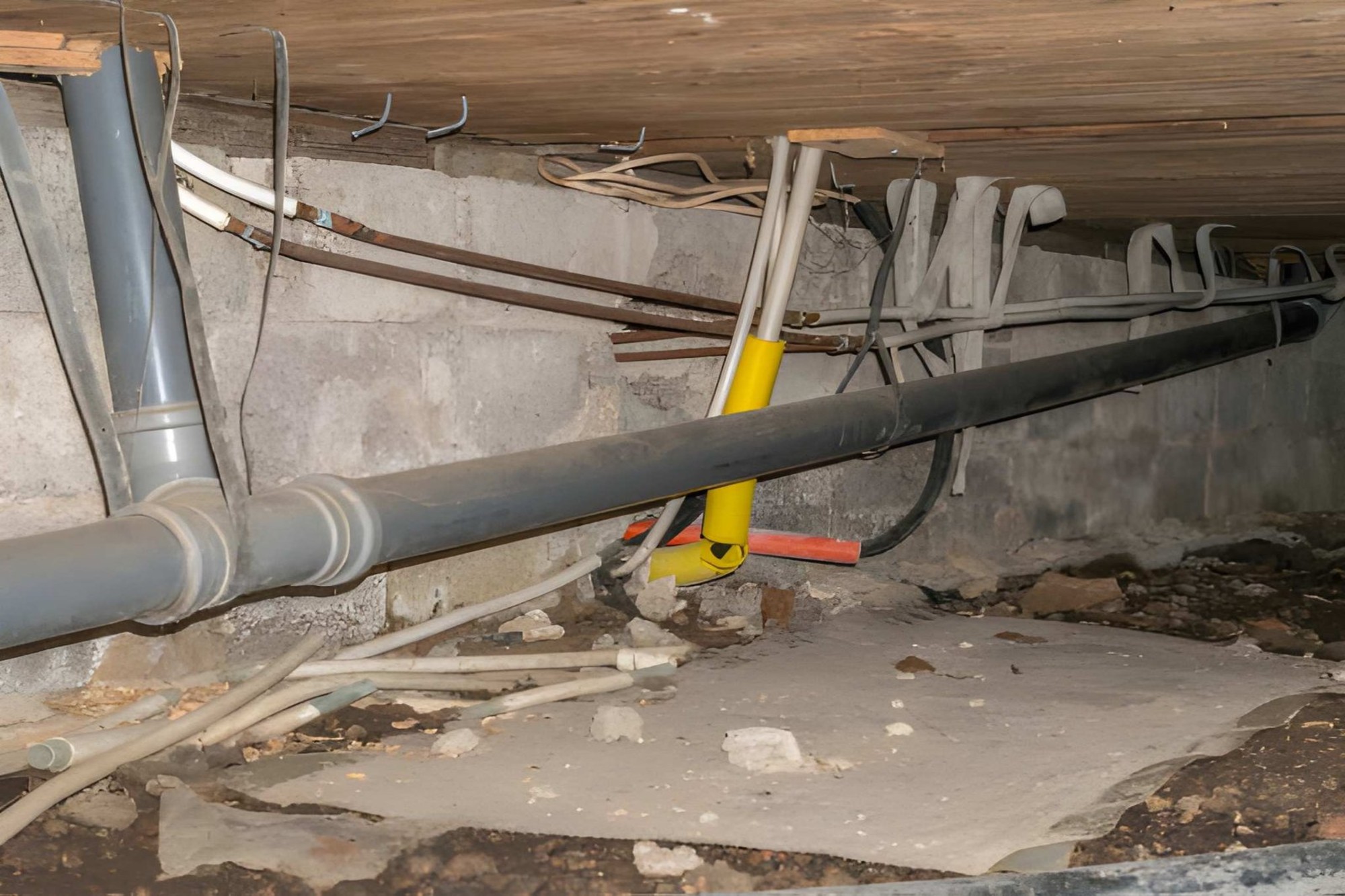
In most homes, the main drain line is a 4 to 6 inch pipe located in the basement or crawl space, running from your home’s interior plumbing out to the municipal sewer or septic system. Knowing where it is before a problem occurs can save significant time and repair costs.
Finding it involves understanding how your plumbing system is laid out and knowing what to look for, including cleanout access points both inside and outside your home. Western Septic and Excavation breaks down exactly where to look and what to do when you find it.
Key Takeaways
- Your home’s plumbing system funnels all wastewater through a single main drain line connected to a sewer or septic system.
- The main drain is typically a large-diameter pipe found in the basement or crawl space with a capped cleanout access point.
- Locating your main drain before a problem occurs helps you respond faster and avoid costly damage.
Understanding Your Home’s Plumbing System
Your home’s drainage system moves wastewater from fixtures through a network of pipes to either a municipal sewer or septic tank, using specific materials that vary in durability and age.
Key Components of Drainage Infrastructure
Every drain in your home — sinks, toilets, tubs, showers, and appliances — connects to a branch drain line. These branch lines feed into a main drain line, typically 4 to 6 inches in diameter, which runs horizontally through the basement or crawl space.
The main drain exits through the foundation wall and connects to either a municipal sewer lateral or a private septic system. A cleanout access point is usually located along the main line, giving plumbers direct access for inspections and clearing blockages.
Vent pipes are also part of the system. They run vertically through walls and exit through the roof, allowing sewer gases to escape and maintaining proper air pressure so drains flow correctly.
Common Pathways for Wastewater Removal
Wastewater follows gravity. Drain pipes are installed at a slight downward slope — typically ¼ inch drop per foot — so water moves without pumping.
From each fixture, wastewater travels:
- Through the fixture trap (the P-trap under sinks)
- Into a branch drain line
- Into the main drain line
- Out through the sewer lateral to the street or septic tank
In homes without a basement, the main line often runs through a crawl space or is buried in a concrete slab. Homes on a septic system have the sewer lateral terminate at a distribution box or directly into the tank buried on the property.
Typical Pipe Materials and Lifespan
The material used in your drain pipes depends largely on when your home was built.
|
Material |
Common Era |
Estimated Lifespan |
|
Cast iron |
Pre-1970s |
75–100 years |
|
ABS plastic |
1970s–present |
50–80 years |
|
PVC plastic |
1980s–present |
50–80 years |
|
Clay/Orangeburg |
Pre-1960s |
50–60 years (often failing) |
PVC and ABS are the most common materials in homes built after 1980. Older homes may still have cast iron or even clay pipes, which can crack, corrode, or collapse over time.
Knowing your pipe material helps determine whether an issue requires simple maintenance or full replacement.
How to Identify the Main Drain Location
The main drain is typically a 4- to 6-inch pipe found in the basement, crawl space, or along an exterior foundation wall. Knowing where to look—and what warning signs to watch for—can save time and prevent costly damage.
Recognizing Visual and Structural Cues
The main drain line is the largest pipe in your plumbing system. It runs horizontally through the lowest level of the home before exiting through the foundation wall toward the municipal sewer or septic tank.
Look for these identifying features:
- Pipe diameter: 4 to 6 inches wide, noticeably larger than branch drain lines
- Material: Older homes may have cast iron or clay; newer homes typically use PVC (white or black ABS)
- Direction: Slopes slightly downward, angled toward the exterior wall
- Location: Runs through the basement floor, ceiling joists, or crawl space
The pipe will often have a cleanout fitting—a capped access point—attached directly to it.
Locating Access Points Indoors and Outdoors
Indoors, the main drain cleanout is usually found in the basement, utility room, or crawl space. It looks like a large pipe with a threaded cap, often marked with a square or recessed plug.
Outdoors, look near the foundation of the house, typically on the side closest to the street. The outdoor sewer cleanout is usually a white or black plastic or metal cap flush with or slightly above ground level.
|
Location |
What to Look For |
|
Basement/Crawl Space |
Large capped pipe along the floor or wall |
|
Utility Room |
Pipe running through floor or wall with a cleanout cap |
|
Near Foundation (exterior) |
Capped pipe at or near ground level |
|
Near Street |
Where the sewer line connects to the municipal main |
Your local municipality may also have property maps that show the sewer line path from your home to the street.
Signs of a Problem With Main Drain Placement
A mislocated or damaged main drain can cause serious issues before you ever notice a visible leak.
Watch for these warning signs:
- Multiple slow drains throughout the house at the same time
- Gurgling sounds from toilets or floor drains after water is used elsewhere
- Sewage odors near the basement, crawl space, or yard
- Wet spots or sinkholes in the yard along the path of the sewer line
- Sewage backup in the lowest drain in the home, such as a basement floor drain
These symptoms point to the main drain specifically—not just a single fixture. If more than one drain is affected simultaneously, the problem is likely in the main line rather than a branch line.