
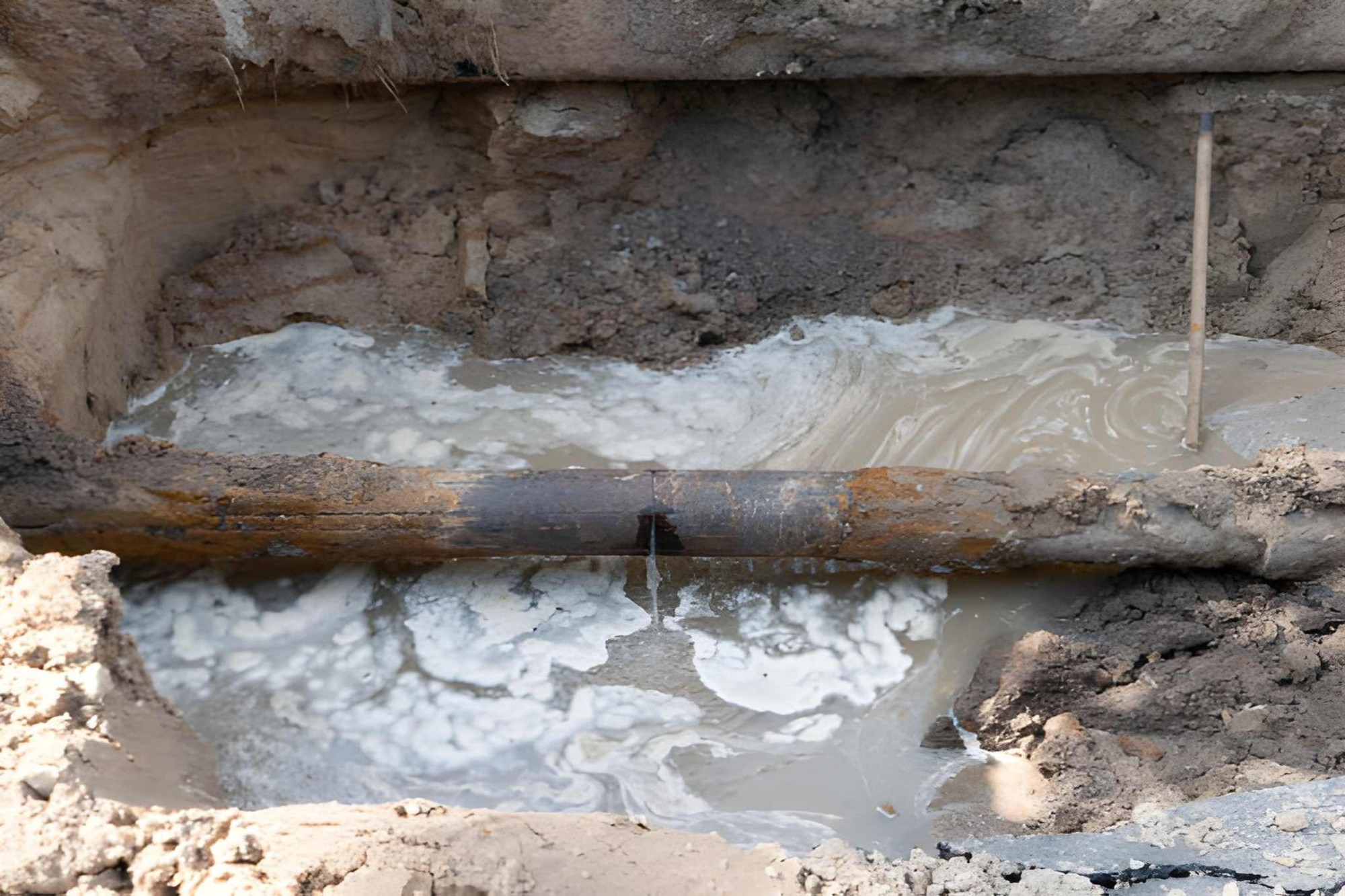
Sewer line problems rarely announce themselves with obvious signs. Damage often develops slowly underground, showing up through subtle changes in your home or yard before things get serious.
The most common signs of a broken sewer pipe include recurring drain clogs, sewage backups, foul odors near drains or in the yard, gurgling sounds from toilets, soggy or unusually green patches of grass, and unexplained mold or moisture indoors. Spotting these early can make a significant difference in the cost and complexity of repairs.
At Western Septic and Excavation, we’ve seen what happens when these warning signs get ignored. This article walks through each indicator so you know exactly what to look for and when to call a professional.
Key Takeaways
- Broken sewer pipes often show indirect warning signs like odors, slow drains, and soggy yard areas before causing major damage
- Multiple symptoms appearing together is a strong signal that your sewer line needs professional inspection
- Addressing sewer line issues early with a qualified professional helps prevent more extensive and costly damage
Common Indicators of Sewer Line Damage
Sewer line problems often show up in predictable ways: strange smells, drains that won’t clear, wet spots in the yard, and backups that keep coming back. Catching these signs early can prevent a minor issue from turning into a costly repair.
Unusual Odors Indoors or Outdoors
A properly sealed sewer line contains waste and gas entirely. When a pipe cracks or joints separate, sewer gases escape. The most noticeable is hydrogen sulfide, which smells like rotten eggs.
You may notice the smell:
- Near floor drains, toilets, or sinks
- In basements or crawl spaces
- Outside near the yard above the pipe route
The odor isn’t just unpleasant — sewer gas can be harmful at high concentrations. If the smell is persistent and appears in multiple locations, that points to a line problem rather than a simple dry drain trap.
Slow or Gurgling Drains
A single slow drain usually means a localized clog. Multiple slow drains throughout the house at the same time suggest the main sewer line is obstructed or damaged.
Gurgling sounds from toilets or tubs are a specific warning sign. That noise happens when air is being displaced by water trying to pass through a restricted or collapsed section of pipe.
Pay attention to these patterns:
- Toilet gurgles when you run the sink
- Tub drains slowly when the toilet is flushed
- Drains in lower levels of the home back up first
These cross-fixture reactions indicate the problem is in the main line, not a branch line.
Patches of Lush or Soggy Lawn
A leaking sewer line releases moisture and nutrients into the surrounding soil. This causes localized grass growth that looks noticeably greener or thicker than the rest of the yard.
In wetter conditions, or with a significant break, the ground above the pipe can become soft or waterlogged even without recent rain. A soggy patch that doesn’t dry out is a more serious indicator than lush growth alone.
The affected area typically follows a line from the house toward the street or septic tank, matching the path of the buried pipe. If you notice sunken ground alongside the wet spot, the soil may be washing away around a broken pipe.
Recurring Sewage Backups
An occasional backup can result from a simple obstruction. Backups that keep returning after clearing, or backups happening in multiple fixtures at once, point to ongoing structural damage in the sewer line.
Root intrusion is a common cause. Tree roots enter through small cracks, grow over time, and eventually block or collapse the pipe. Each time the line is cleared without addressing the root cause, the problem returns.
Watch for:
- Backups in ground-floor toilets or tubs specifically
- Raw sewage surfacing in the lowest drain in the home
- Backups after heavy rain, which can indicate a compromised line allowing groundwater infiltration
Prioritizing Professional Assessment and Repairs
Recurring backups, foul odors, and wet yard patches are not problems a plunger or drain cleaner will fix long-term. A licensed professional can accurately diagnose the cause and recommend the right repair method.
When to Call Western Septic and Excavation
Some sewer issues need professional attention right away. Do not wait if you notice any of the following:
- Multiple drains backing up at once — this points to a main line blockage or collapse, not an isolated clog
- Sewage odors indoors or outdoors that persist after normal cleaning
- Soggy or sunken patches in your yard with no rainfall explanation
- Gurgling sounds coming from toilets or drains after water use
- Repeat clogs that return within days of being cleared
Western Septic and Excavation uses camera inspection equipment to locate the exact source of the problem. This removes the guesswork and prevents unnecessary digging or repairs.
Emergency Response Steps for Homeowners
If you suspect a broken or actively leaking sewer line, take these steps immediately:
- Stop using water in the home to avoid worsening a backup or overflow
- Do not attempt to snake or pressure-flush the line — this can cause further damage in a collapsed or root-damaged pipe
- Keep people and pets away from any soggy or foul-smelling yard areas
- Call Western Septic and Excavation as soon as possible for an assessment
Sewage exposure carries real health risks. Acting quickly limits both property damage and contamination.