
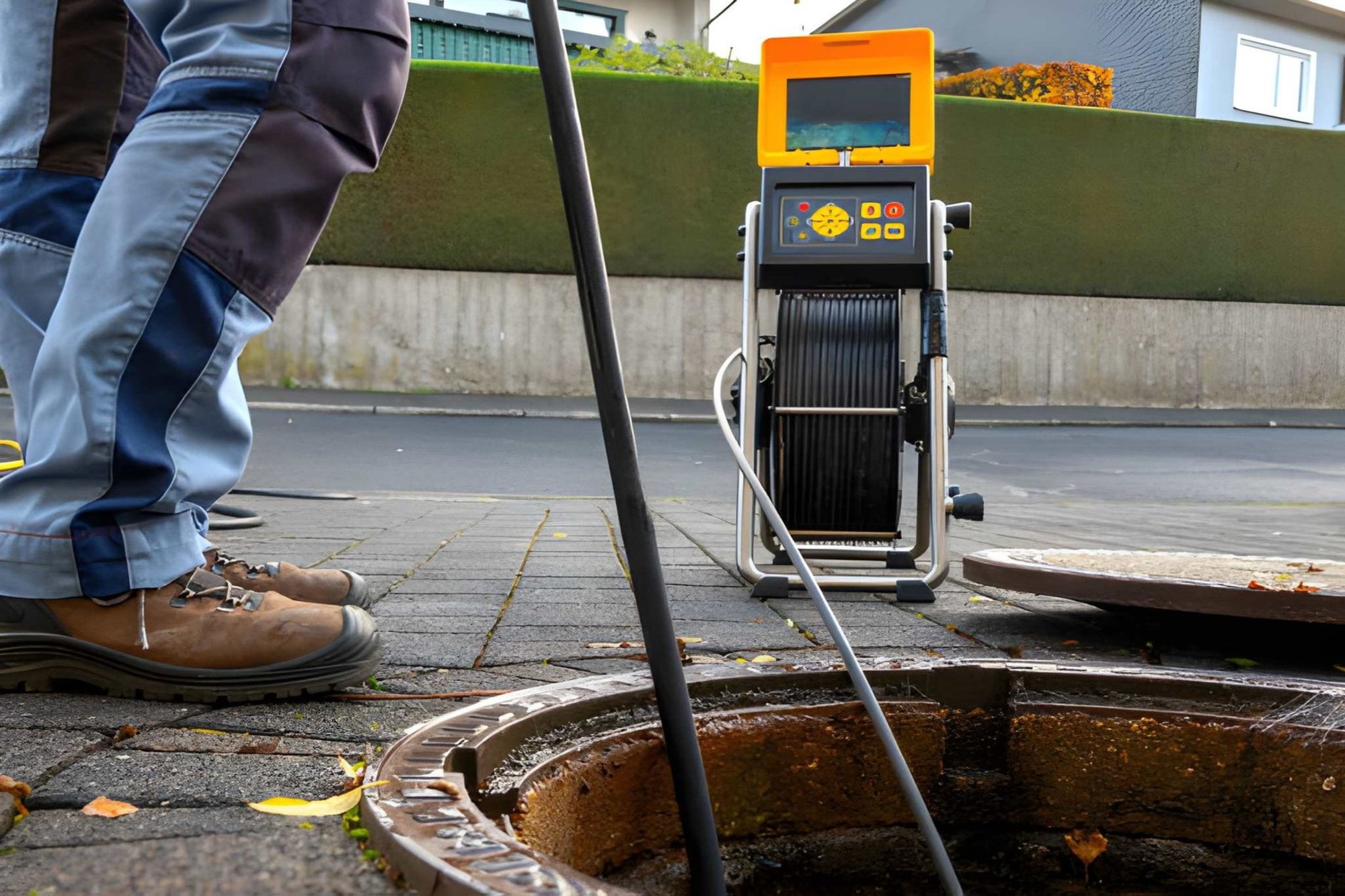
Most homeowners never think about the pipe that carries wastewater from their home to the city’s sewer system — until something goes wrong. A sewer lateral inspection is a camera-based examination of that underground pipe, used to identify cracks, blockages, root intrusion, or other damage before it leads to a failure.
Homes connected to a municipal sewer system have a sewer lateral running from the property’s plumbing to the main sewer line under the street. This pipe is typically the homeowner’s responsibility to maintain, which makes knowing its condition important.
Western Septic and Excavation uses camera equipment to give property owners a clear picture of what’s happening underground. This article covers how the inspection works, what it can find, and when it makes sense to schedule one.
Key Takeaways
- A sewer lateral inspection uses a camera to check the underground pipe connecting your home to the city sewer for damage or blockages
- Catching pipe problems early through an inspection can prevent costly repairs or full pipe replacements down the line
- Western Septic and Excavation provides sewer lateral inspections to help property owners get reliable answers about their pipe’s condition
Purpose and Process of Sewer Lateral Inspections
A sewer lateral inspection identifies problems in the underground pipe connecting your home’s plumbing to the public sewer main. Knowing what a lateral is, when to inspect it, and how the process works helps you make informed decisions about your property.
Understanding Sewer Laterals
A sewer lateral is the pipe that runs from your home’s internal plumbing system to the city’s main sewer line, which typically sits under the street. This pipe travels underground across your property and is generally the homeowner’s responsibility to maintain.
Most homes connected to a municipal sewer system have one. The lateral handles all wastewater leaving the home — from toilets, sinks, showers, and appliances. Because it runs underground, damage often goes unnoticed until a serious problem develops.
Common Reasons for Scheduling an Inspection
There are several situations that make a sewer lateral inspection a practical step:
- Buying or selling a home — Many municipalities require a compliance certificate before a property changes hands
- Slow or recurring drain issues — Persistent clogs can indicate a blockage or partial collapse in the lateral
- Tree root intrusion — Roots are a leading cause of pipe damage and can go undetected without a camera inspection
- Older pipes — Homes with clay or cast iron laterals are more prone to cracking and deterioration
- Sewage odors or wet spots in the yard — These can signal a leak or break in the line
Scheduling an inspection before problems escalate reduces the risk of costly emergency repairs.
Methods Used During Inspections
The standard method is a video camera inspection, also called a sewer scope. A waterproof camera is inserted into a cleanout access point and pushed through the lateral toward the main sewer connection.
The camera transmits live footage, allowing the inspector to identify:
- Cracks or fractures in the pipe wall
- Root intrusion
- Blockages from grease, debris, or buildup
- Pipe misalignment or bellying (sagging sections that trap waste)
The footage is typically recorded and reviewed with the homeowner. At Western Septic and Excavation, this process gives you a clear, documented picture of your lateral’s condition before any repair decisions are made.
Benefits and Scheduling With Western Septic and Excavation
A sewer lateral inspection helps you avoid unexpected expenses, stay compliant with local regulations, and make an informed decision when choosing a service provider.
Preventing Costly Repairs
Catching problems early is the main financial benefit of a sewer lateral inspection. Small cracks, root intrusion, or pipe corrosion can worsen significantly if left unaddressed, turning a minor repair into a full pipe replacement.
Early detection typically means less excavation, lower labor costs, and faster turnaround. Trenchless repair methods like pipe bursting or CIPP (cured-in-place pipe) are often only viable when problems are found before structural failure occurs.
Common issues found during inspections:
- Root intrusion
- Pipe cracks or fractures
- Grease or debris buildup
- Pipe offset or misalignment
- Corrosion or deterioration
Addressing these issues proactively is almost always less expensive than emergency repairs.
Ensuring Compliance With Local Regulations
Many cities require a sewer lateral compliance certificate, particularly during property sales or renovations. Failing to meet these requirements can delay closings or result in fines.
Regulations vary by municipality, so what applies in Twin Falls may differ from neighboring areas. A qualified local provider familiar with Southern Idaho’s requirements can confirm what your specific situation demands.
Western Septic and Excavation has operated in the Magic Valley since 2010, giving them familiarity with regional compliance standards. Working with a provider that knows local codes reduces the risk of missing a requirement.
Choosing the Right Inspection Provider
Not all inspection providers offer the same services or equipment. For an accurate assessment, you want a company that uses camera inspection technology and offers follow-up repair services if problems are found.
Western Septic and Excavation provides:
- Camera inspections
- Hydro jetting and drain cleaning
- Trenchless sewer repair (pipe bursting and CIPP)
- Traditional open-trench repair and replacement
Being a locally-owned, family-operated business based in Buhl, Idaho, they serve Twin Falls and surrounding Magic Valley communities. They offer 24/7 availability, which is relevant if an inspection reveals an urgent issue that needs immediate attention.